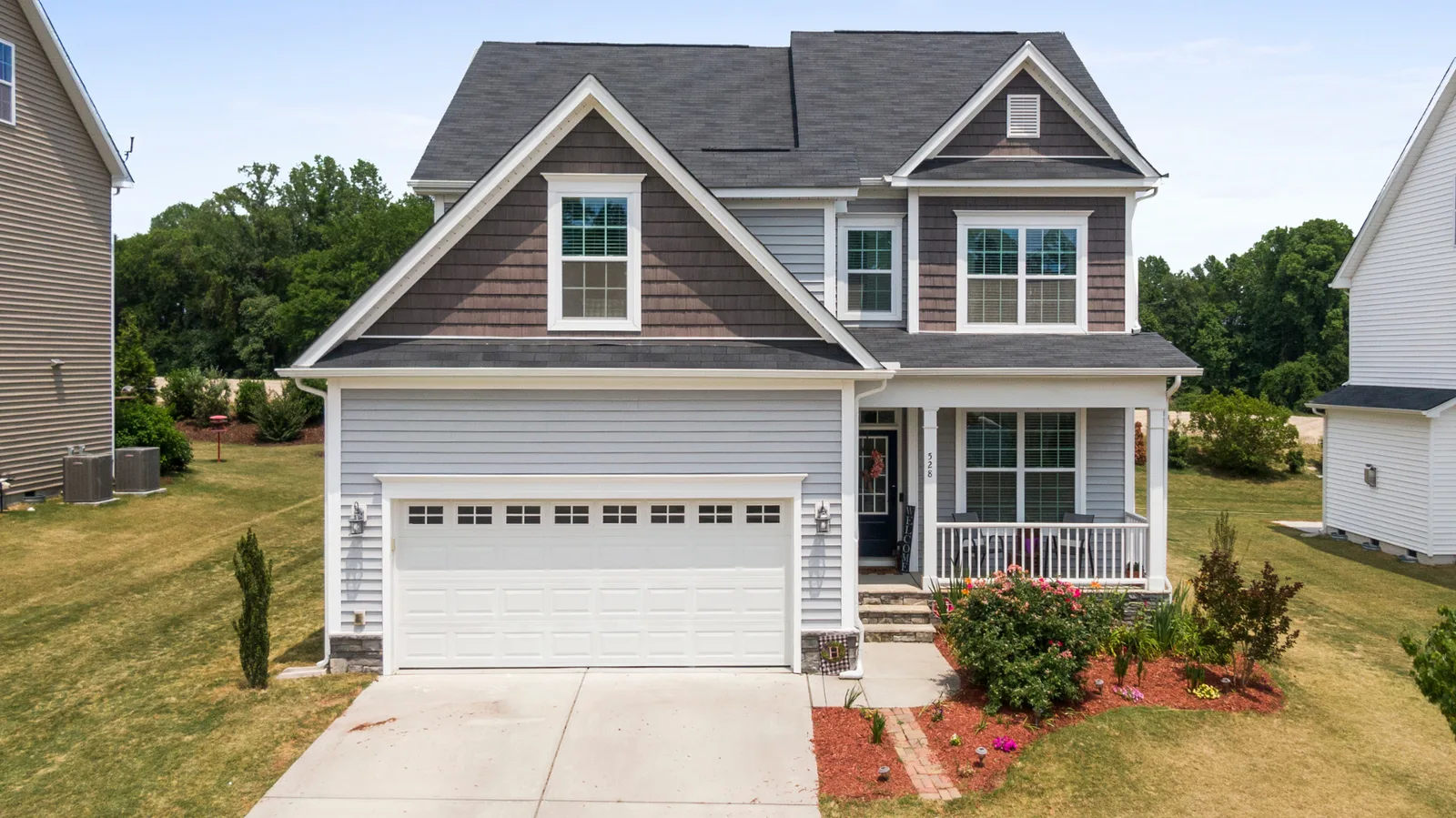
Repair or Replace for Johnson, AR
Understand when a repair can hold, when one roof section needs more work and when replacement addresses the wider condition.
Keep the useful roof and resolve the failed work
A roof decision does not have to begin with a choice between a tiny patch and replacing everything. There may be a useful boundary between the two.
The question is whether the repair can join sound roofing and resolve the failed work. This guide follows that boundary through material condition, repeat leaks, concealed damage and the changes a replacement can actually make.
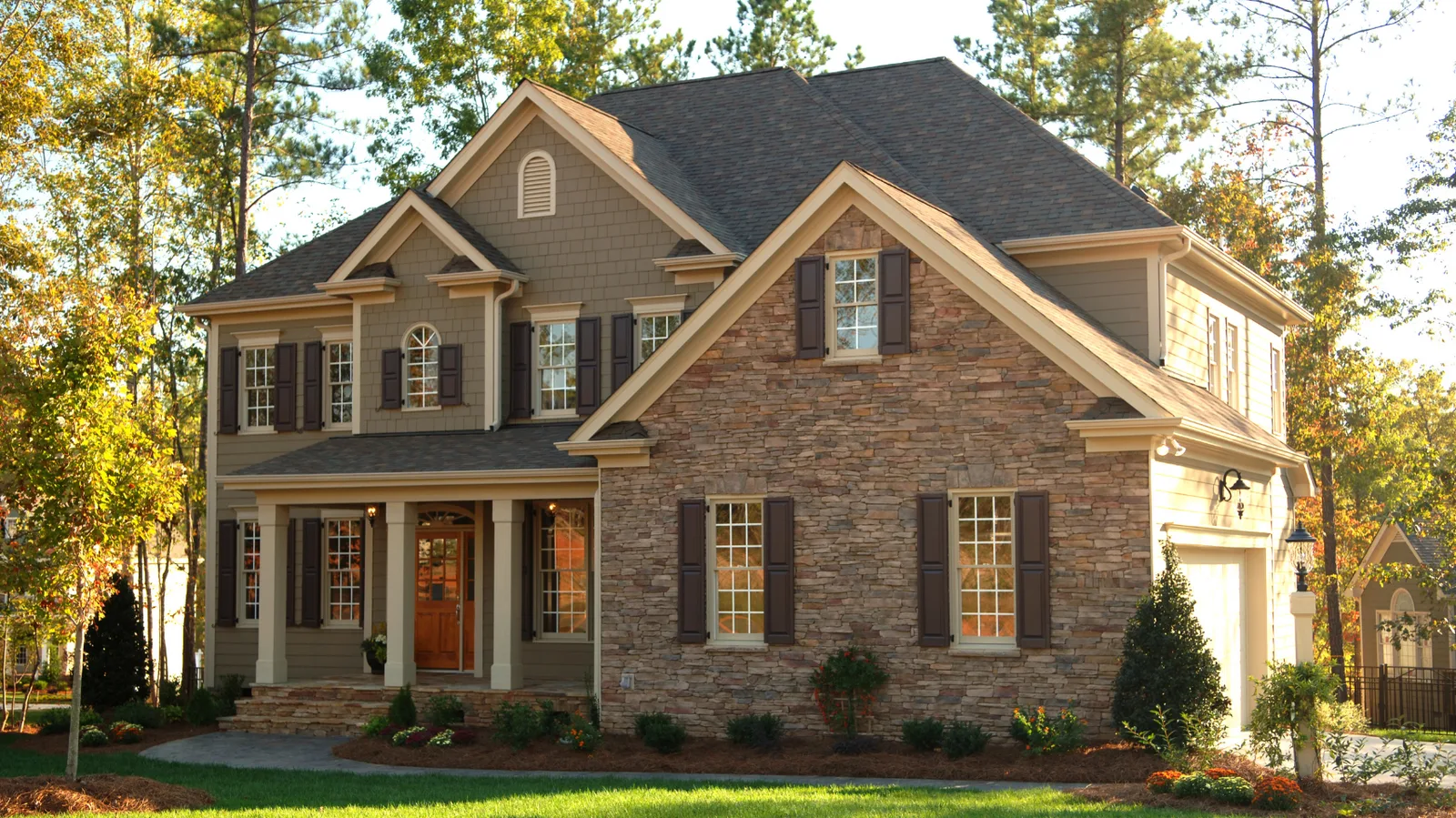
Local repair, a larger section or the whole roof
The repair boundary belongs where new work can connect to dependable existing roofing.
Local repair
A defined defect can be repaired when adjacent shingles or membrane remain workable and the support is sound. The repair must restore the original water path and attachment, rather than depend on another surface patch.
A slope or separate section
Damage may be concentrated on a porch, addition or one slope. Replacing that section can be useful if the junctions with retained roofing can be built correctly. The tie-in, appearance and drainage need attention together.
The whole roof
Widespread brittle material, failing connections across several areas or extensive underlying damage can make piecemeal repairs poor value. Replacement opens the assembly so the covering and related details can be rebuilt as one project.
What the roof condition changes
Age provides context. These conditions more directly explain what the roof can accept.
A returning leak needs a fresh look at the connection
If the same ceiling stain returns, the next decision is not simply whether to repeat the patch. Water may enter farther upslope, behind a wall finish or through a second opening. A patch can be intact while the actual entry remains outside it.
Opening the affected connection can reveal failed underlayment or damaged support that a surface repair never reached. The recommendation should explain the source and the layers being restored. A larger repair may solve that local problem without requiring a new roof everywhere.
Several new leaks in separate locations tell a different story. Their distribution, the material’s condition and earlier work help show whether failures are isolated or part of broader wear.
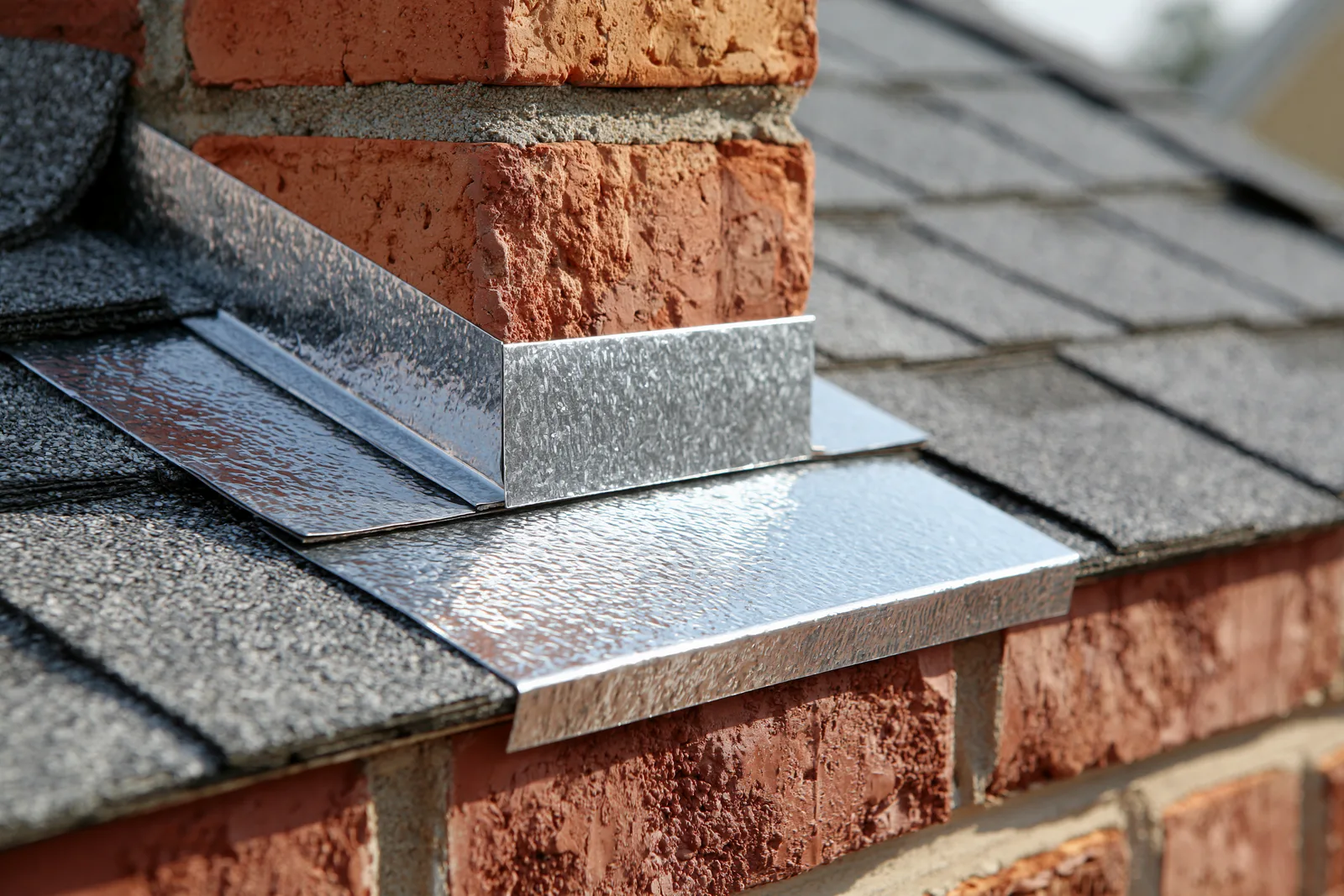
What replacement can fix, and what needs separate work
Replacement can address a worn assembly, but it is important to identify work outside that assembly too.
Covering and underlying roofing
Removal allows worn shingles or membrane, affected underlayment, damaged deck areas and flashings to be addressed in a coordinated scope.
Drainage and ventilation details
A replacement can include revised roof details where suitable, but those changes must be planned. New covering alone will not open blocked attic intake or correct a poorly arranged commercial drain route.
Walls, equipment and interior damage
Masonry leaks, mechanical condensate, interior drying and damaged finishes may need separate services. The roof contract should identify those boundaries instead of implying every water problem disappears with replacement.
Appearance and future use
A whole roof allows a consistent material choice. A partial repair may retain useful roofing with a visible color difference. How long you expect to use the property can inform the conversation, without changing what is physically sound.
Repair or Replace FAQs
Does one leak mean I need a new roof?
No. One failed boot, wall connection or group of shingles can cause a leak in an otherwise serviceable roof. The entry and surrounding condition need to be assessed first.
Can one slope be replaced while the rest stays?
Yes, when the new work can make sound transitions to the retained roofing and the remaining slopes are useful. The condition at ridges, valleys and walls determines whether that boundary works.
Is an older roof always beyond repair?
No. Age alone does not establish repairability. Material condition, attachment, underlying support and the spread of failures are more useful than an automatic year cutoff.
Will a repair match the existing shingles?
A precise match cannot be promised. Product availability, profile, color and weathering affect the result. We explain the likely appearance alongside the repair’s function.
Does an insurance claim determine how much roof needs replacing?
The physical condition determines the roofing work recommended. The insurer separately decides the covered scope and payment under the policy. A claim outcome does not make unsound roofing sound, or require every serviceable section to be replaced.