Roof Repair in Johnson, AR
A repair should put the roof back together where it failed. Get help with damaged shingles, leaking roof connections and repairs that have not held.
Repairing the failed part of your Johnson roof
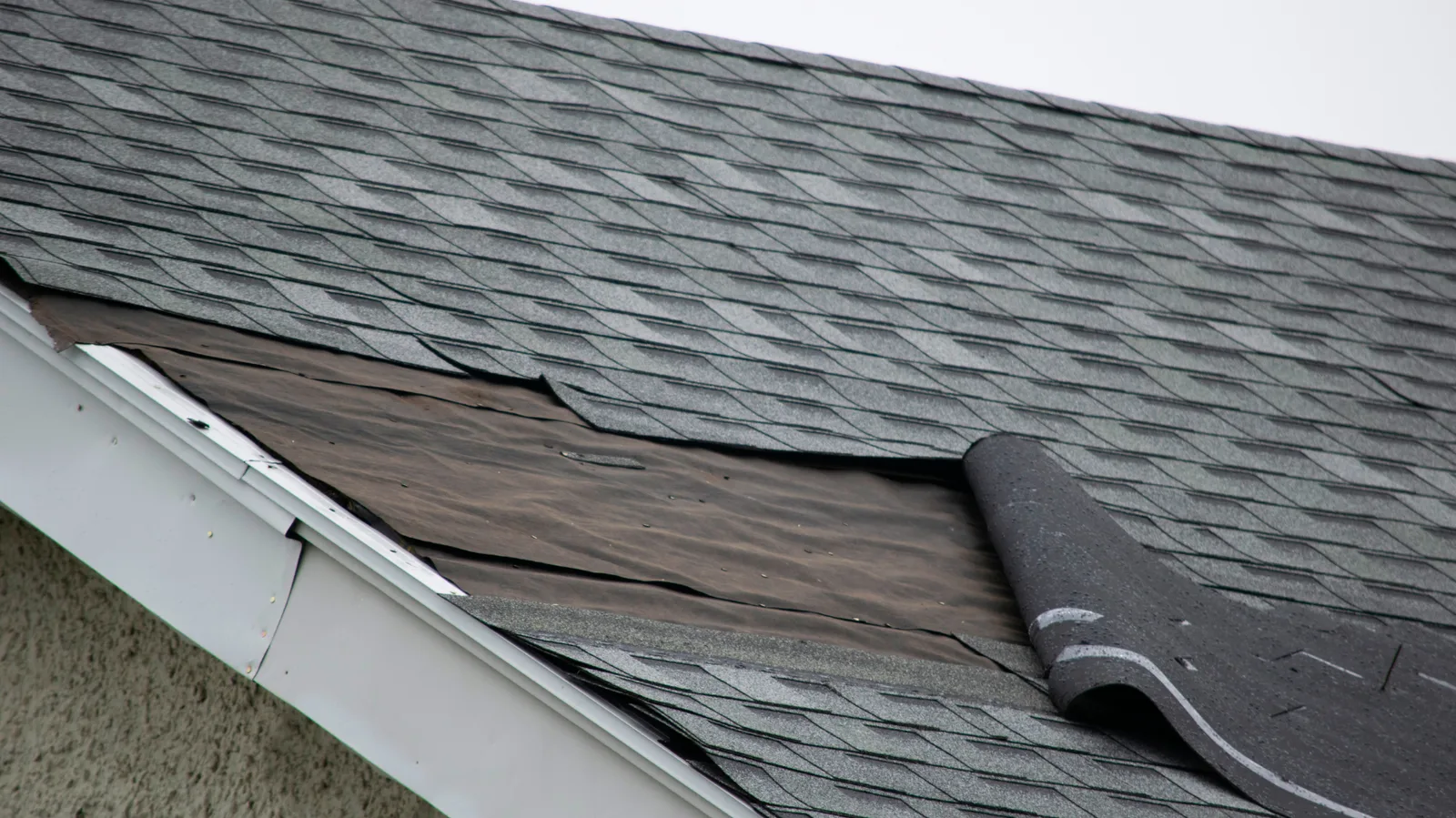
A loose shingle is one thing. Water returning after the same spot has been sealed is another. In both cases, the useful question is what has come apart and what sound roofing remains around it.
We examine the damaged area and the connections feeding water toward it. A shingle can be torn while the underlayment beneath it is intact. A leak beside a wall can involve flashing tucked beneath several shingle courses. The work has to reach the failed detail and leave a continuous path that sheds rain onto the roof again.
That is why a repair can be larger than the mark you see from the yard or the stain indoors. We explain what needs opening, what can stay and how the new work connects. Start with a free roof inspection; you do not need to identify the cause before calling.
What a Johnson roof repair can include
A local repair is a small roofing project with its own connections. The right approach depends on the part that failed.
Damaged or missing shingles
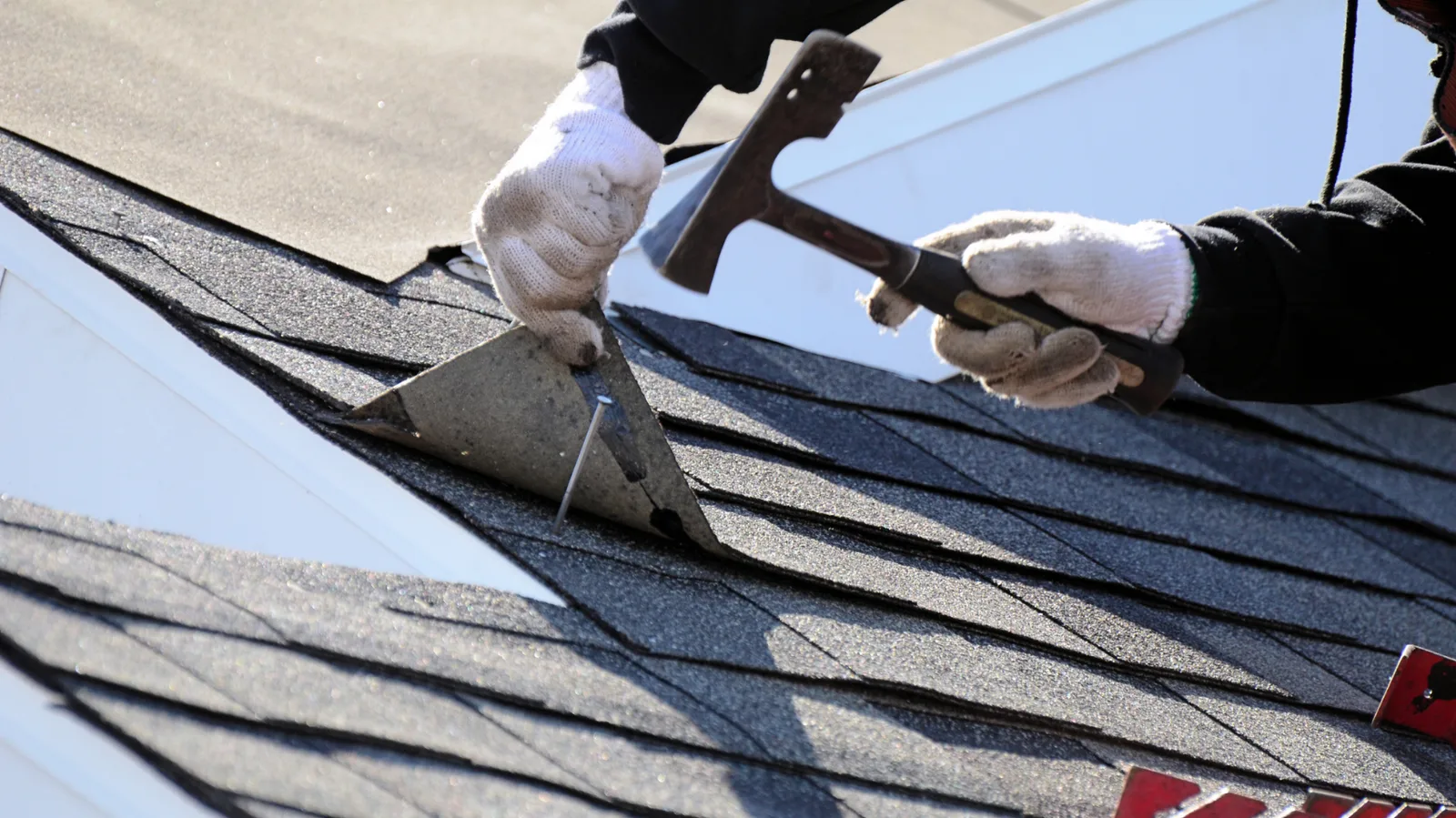
Replacing a torn shingle includes the fasteners and seals disturbed while reaching it. The replacement must fit the existing shingle system, and the surrounding material needs to lift without breaking.
The shingles beside an obvious defect also need attention. A lifted edge can leave a seal damaged even where the shingle is still in place.
Pipe boots and vent openings
A cracked collar around a pipe lets water follow the pipe below the roof. We look at the collar, its base and the shingles around it to decide whether the boot and adjoining material need replacement.
The repair must send water over the lower shingle courses. Smearing sealant across a deteriorated connection leaves the original weakness in place.
Wall and chimney flashing
Flashing bridges the roof covering and the vertical surface beside it. Loose metal, failed overlaps or an opening behind the flashing can admit rain at that junction.
Reworking it can require opening adjoining roofing or access behind siding. If damaged masonry is also admitting water, that needs the appropriate masonry work as well.
Decking and underlayment
A roof repair needs a sound base. Soft or deteriorated decking will not support the covering and its fasteners as intended, while torn underlayment leaves the backup layer interrupted.
When damaged layers extend beyond the opening, we widen the work enough to reconnect to sound material. New shingles alone do not fix the layers below.
Where a roof repair needs to stop
A lasting repair needs a sensible boundary. We look for the point where new work can connect to roofing that is still doing its job.
How we approach a roof repair in Johnson
The details vary with the roof, but the repair has to follow the same physical path from failure to sound roofing.
Find the opening and check its surroundings
We inspect the roof covering and nearby connections, using what you noticed to help locate the problem. Roof access depends on the conditions. A stain is a clue, not the full repair boundary.
Open enough roofing to do the work
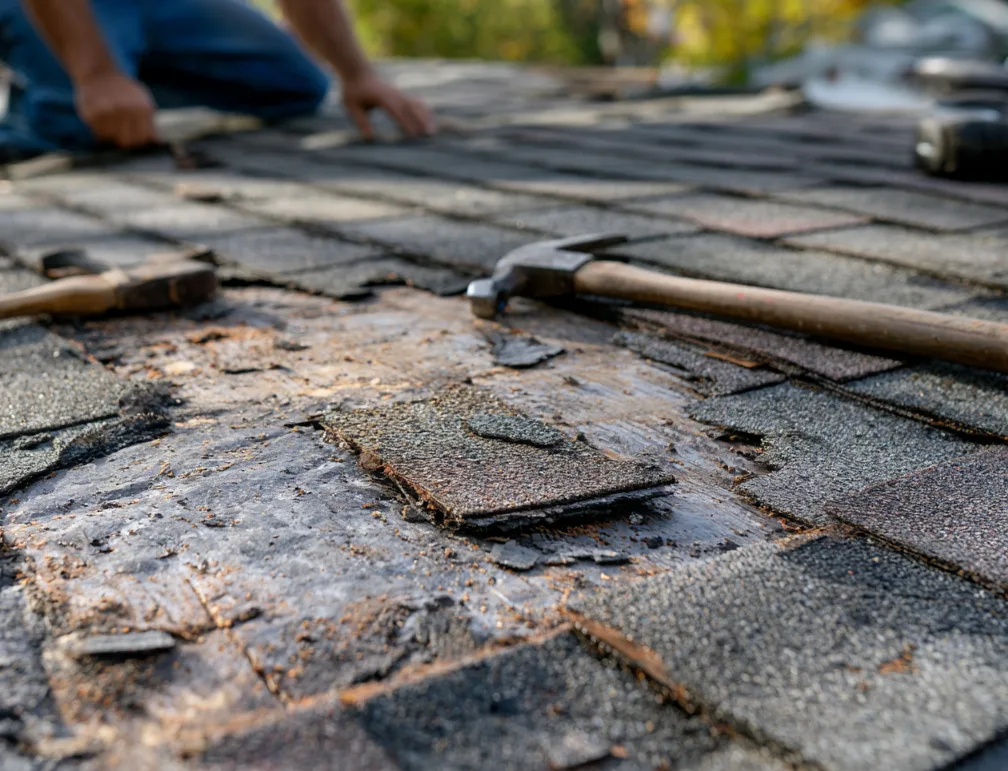
The roofer removes or lifts affected material to reach the failed detail. The exposed deck and underlayment determine whether the visible repair can stay small or needs to include damaged layers.
Reconnect and finish the repaired area
The repair restores the roof layers, flashing, fasteners and seals disturbed by the work. The goal is for rain to leave the repair over the roofing surface, with debris from the work removed.
Active leaks and the permanent repair
If water is coming in now, call and tell us. Stay clear of wet electrical fixtures and sagging ceilings, move belongings only where safe, and do not climb onto a wet or damaged roof.
Protection while the repair is arranged
An appropriate temporary covering can limit water entry where safe access allows. Its attachment and later removal also affect the roofing. Temporary protection buys time for the permanent work; it does not restore damaged shingles, flashing or wood.
The repair that resolves the source
Once the affected area can be accessed, the permanent work addresses the opening and connected damage. Drying, ceiling repairs and any electrical or plumbing problems are separate parts of restoring the interior. Stopping the roof leak comes first.
What changes the cost of roof repair
Access, the number of failed details and the condition beneath the covering drive the work. Replacing a reachable pipe boot is different from rebuilding flashing behind siding or replacing decking around a long-standing leak. A steep or high roof also changes how the area can be reached.
The roof walk helps define those needs; some hidden damage becomes clear only when the covering is opened. The proposed work needs to account for that possibility without treating every small defect as a reason to replace the roof.
If repair bills keep moving to new parts of the roof, we can discuss replacement alongside the next repair. The comparison is how much serviceable roofing would remain after the work, not an invented age or spending cutoff.
Johnson roof repair FAQs
Can you replace just a few damaged shingles?
Yes, when compatible shingles can be connected to workable surrounding material and sound layers below. If the surrounding shingles are brittle or damage extends beneath them, the repair area grows.
Will the repaired shingles match exactly?
An exact visual match is not always possible. New material can look different from weathered shingles, even when the product fits. We discuss compatibility and appearance as part of the repair choice.
Is sealant enough to fix a roof leak?
Sometimes a sound detail needs an appropriate sealant repair, but sealant does not replace missing shingles, split boots, loose flashing or deteriorated wood. The cause and the condition of the connection determine the work.
Does a leak mean I need a new roof?
No. One failed connection on an otherwise sound roof can be repairable. Widespread brittle material, damaged layers or recurring failures in separate areas make replacement worth considering.
Will insurance pay for the repair?
That depends on the cause, policy terms and deductible. Wear and a storm-related loss are different situations, and a roofing recommendation does not decide coverage.
The roof insurance guide explains the terms that affect the owner’s share.