Roof Leak Repair in Johnson, AR
Water on a ceiling does not always start directly above it. Get help finding the entry and repairing the roof layers that let it through.
Finding a roof leak in Johnson
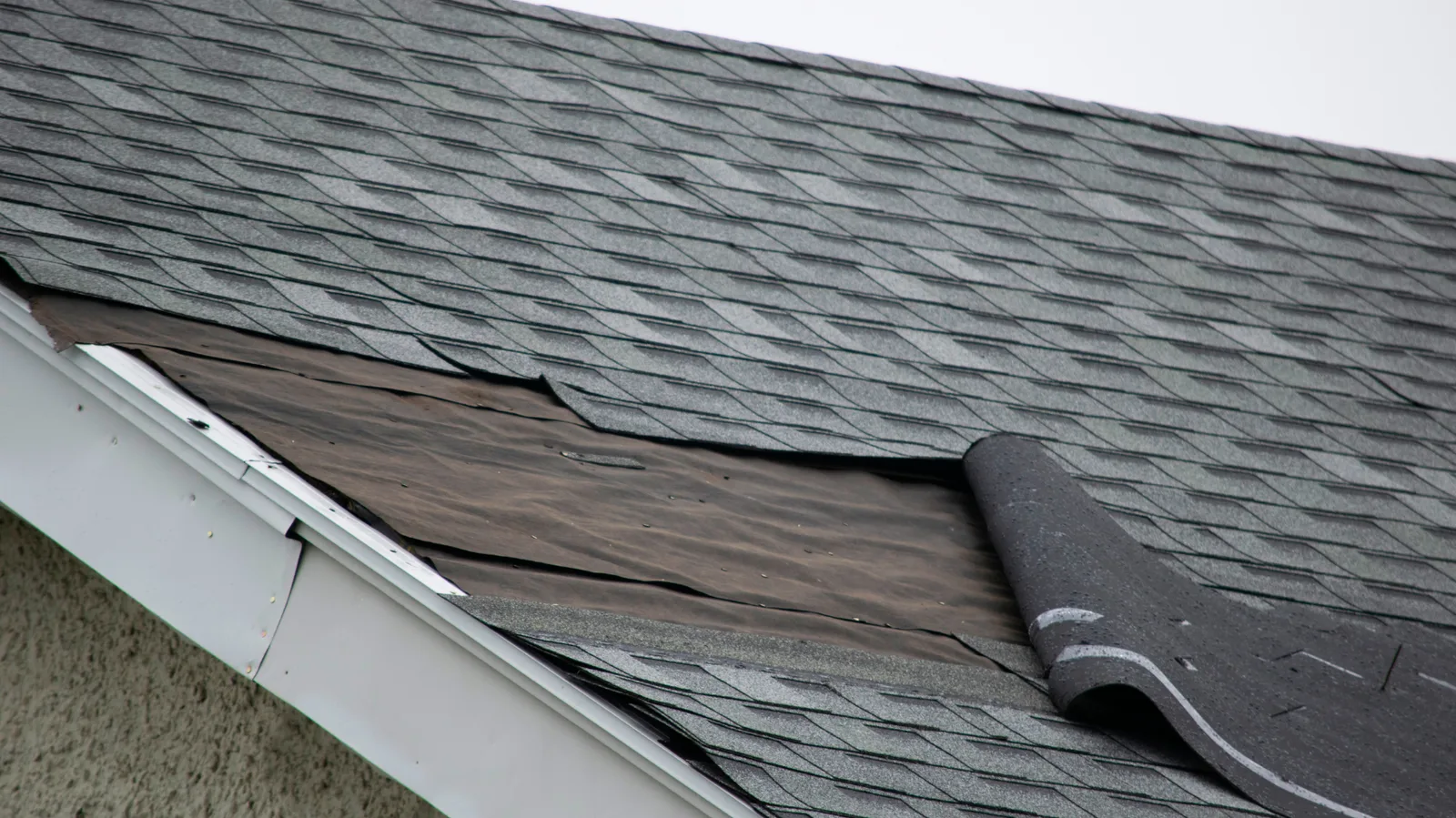
A stain can appear several feet from the roof opening that feeds it. Water may follow a rafter, decking joint or the underside of a roof layer before it reaches the ceiling. Replacing the shingles directly over the stain can leave the actual entry untouched.
We look at the timing of the leak, the shape of the roof above it and the connections that interrupt the covering. Water during wind-driven rain points to a different path from moisture that appears without rain. Plumbing, equipment and attic condensation also need to be distinguished from rain coming through the roof.
Once the entry is understood, the repair needs a sound place to begin and end. That can mean a small group of shingles, a pipe flashing or the roofing around a wall. If water has damaged the supporting wood, the work extends below the visible surface.
Tracing rain through roof connections
The aim is to follow water through the assembly, then repair the failed connection.
Valleys and roof intersections
Runoff from adjoining slopes converges here. Debris, a damaged lining or poorly arranged overlaps can send water sideways beneath the covering. The repair must preserve the full path down the valley.
Walls and chimneys
Roof flashing and the wall’s weather layer have to overlap in the right order. Sealing an exposed edge may miss water running behind siding or masonry counterflashing. Access to the wall-side detail can be necessary.
Pipes and roof openings
A cracked boot, loose base or failed curb detail can admit water around an otherwise serviceable roof. The replacement must fit the penetration and connect beneath the upslope roofing and over the downslope covering.
Edges and backed-up water
A gutter that overflows or water held at a shallow transition can wet the fascia or roof edge. The source may involve drainage as well as covering, so both sides of the connection need attention.
Restoring the water-shedding layers
A permanent repair is more than a visible patch. The opened area needs to close back into sound surrounding work.
Expose enough to find the failure
The roofer lifts or removes the material needed to reach the failed detail. Brittle adjoining shingles or concealed wood damage can widen that area. Additional scope should be explained before the repair grows.
Repair the support and water path
Damaged decking, underlayment and flashing are addressed as needed, with compatible materials and correct overlaps. Covering wet or unsound layers simply hides the condition that can undermine the next repair.
Close the roof and separate interior work
The covering is reconnected and the roof work is explained. Wet insulation, drying, damaged ceilings and other interior restoration may require separate work. Stopping the roof entry does not by itself dry every concealed part of the building.
Johnson roof leak FAQs
Why does it leak only when rain blows from one direction?
Wind can drive water against a wall, roof opening or overlap that sheds ordinary rainfall. The timing helps direct the inspection, but the actual flashing and surrounding layers still need to be examined.
Can another bead of sealant stop it?
Sealant has a place in specified roof details. It cannot replace missing flashing, restore rotten wood or reliably correct a reversed overlap. If a surface patch keeps failing, the connection beneath it needs a closer look.
Can one stain have more than one source?
Yes. Several openings can feed the same area, and roof water can be confused with condensation or a plumbing leak. A sound repair follows the evidence rather than assuming the first visible defect explains everything.
What should I do while water is coming in?
Keep people away from sagging ceilings and water near electrical equipment. Move belongings only where it is safe and describe the active leak when calling. Do not climb a wet roof to find the opening.
See urgent roof help for temporary-protection considerations.