Roof Insurance for Johnson, AR
Understand the roof assessment, claim information and policy terms as separate parts of a storm-related roofing decision.
Separate the roof’s repair needs from the policy decision
A roof can need attention before an insurance decision is complete. The useful first steps are to make the situation safe, understand the damage and keep a clear record of the work.
The claim then follows the policy. This guide separates storm observations, roofing scope and payment terms so a repair recommendation is not mistaken for a promise of coverage.
From storm concern to a documented roof scope
A roofing concern and an insurance claim overlap, but they answer different questions. The roof assessment identifies the work. The insurer decides what the policy covers.
Protect people and limit further exposure
Keep away from unsafe roof access, sagging ceilings and water near electrical equipment. Discuss suitable temporary protection for an exposed area. A permanent roof scope may need to wait until the damaged assembly can be safely inspected.
Preserve a useful record
Photograph visible changes only where safe, note when you first noticed them and keep receipts for necessary temporary work. Do not discard relevant records merely because the visible opening has been covered.
Notify the insurer under the policy
Report the concern promptly and ask about the information, deadlines and inspection steps that apply. The insurer may need to inspect before permanent work changes the evidence. Urgent protective measures and claim coordination need to be discussed together.
Define the roofing work
A roofer can explain observed conditions and the repair or replacement proposed. That scope may identify concealed-condition questions. It does not guarantee coverage, a settlement amount or approval for a whole new roof.
Cause and condition both matter
The same roof can have more than one condition. The explanation should distinguish them instead of labeling everything as storm damage.
A particular weather event
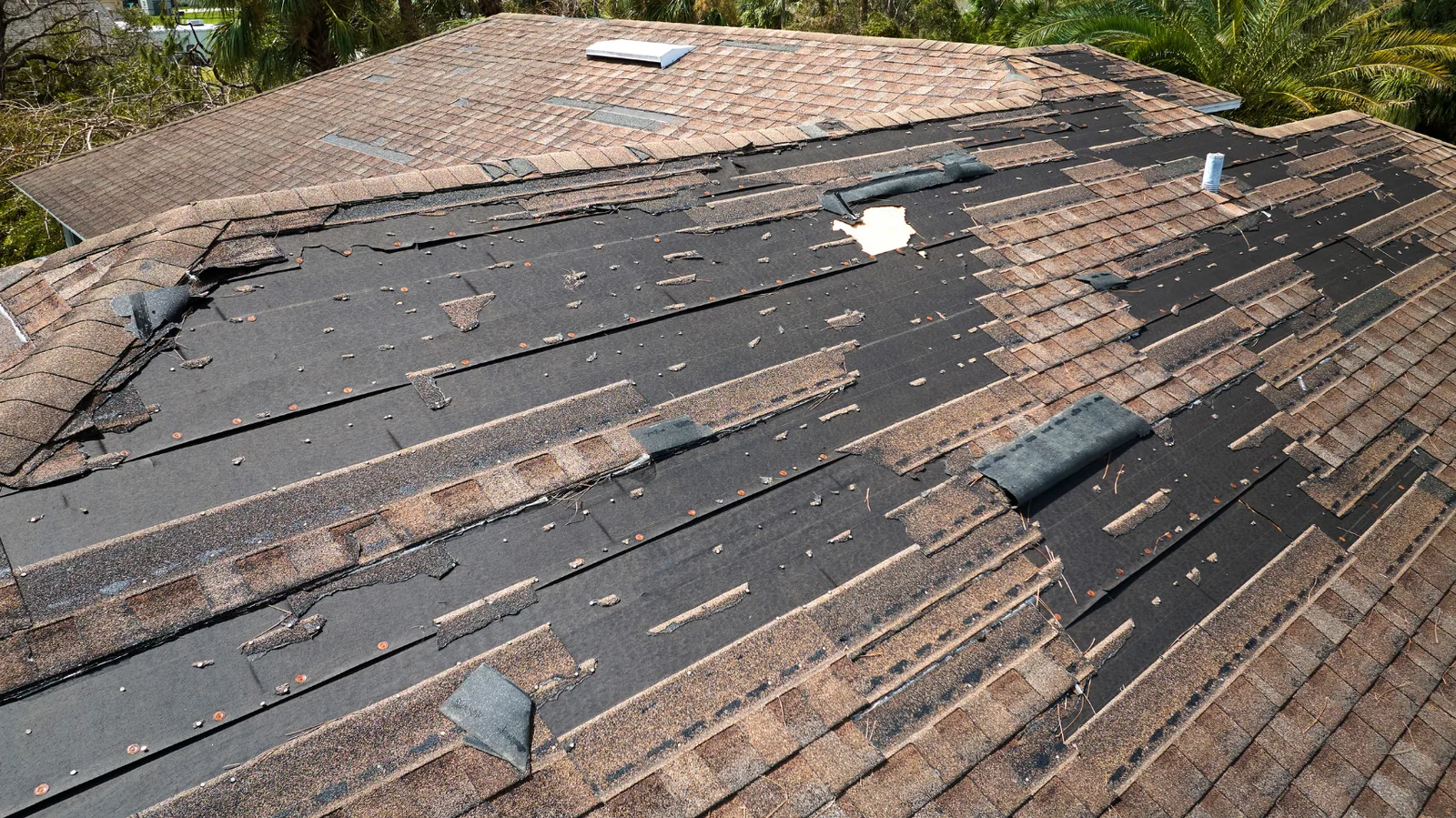
Missing material or a new opening after wind deserves assessment of the actual roof. Timing and weather records provide context, but the physical findings still matter.
Gradual wear
Deterioration that develops over time is a different factual situation from sudden event damage. A roof may need work even when the policy does not pay for that condition.
An existing detail problem
Failed installation, a deteriorated boot or a maintenance issue can coexist with a recent storm. The insurer applies the policy to the cause and condition; a contractor should not promise that all related work will be reimbursed.
Read the terms behind a claim payment
These are general explanations. Your declarations, policy, endorsements and insurer’s claim explanation control the actual payment.
Consumer explanation: NAIC on actual cash value and replacement cost
Keep temporary protection and permanent repairs distinct
Temporary protection addresses the immediate opening. Permanent work restores the roofing assembly. Keep the descriptions and receipts distinct so it is clear which work was done to reduce further exposure and which work is proposed to repair the roof.
When the roof is opened, damaged wood or wet layers may be found that were not visible during the first inspection. That finding should be documented and the changed scope explained. Ask the insurer how any additional information should be submitted before assuming the added cost will be covered.
The roof price should describe the actual work. An insurer’s payment and your deductible are a separate accounting question, not a reason to hide costs or describe work that did not occur.
Roof Insurance FAQs
Will insurance pay for my roof repair?
That depends on the cause, condition and your policy. A free roof inspection can identify the roofing concern and possible work, but the insurer determines coverage and payment.
Does a nearby storm report prove my roof was damaged?
No. A weather record is tied to its stated location and observation. It does not prove a specific roof was struck or damaged, or establish policy coverage.
What is the difference between actual cash value and replacement cost?
Actual cash value accounts for depreciation. Replacement-cost coverage values comparable repair or replacement subject to the policy’s conditions and limits. The deductible and any required documentation still apply.
Can the deductible be left out of the roofing price?
The roofing price should state the actual work and cost. The deductible remains part of the policy’s allocation of a covered loss; do not assume it disappears from the owner’s responsibility. Ask the insurer to explain the payment calculation.
What if more damage is found when the roof is opened?
The newly exposed condition should be recorded and the repair scope updated. Coordinate the added information with the insurer under its process. Discovery alone does not guarantee reimbursement for the extra work.